
From Permit to Handover: How We Run a High-End Build
Sixteen phases. No vague timelines. No silence between milestones.
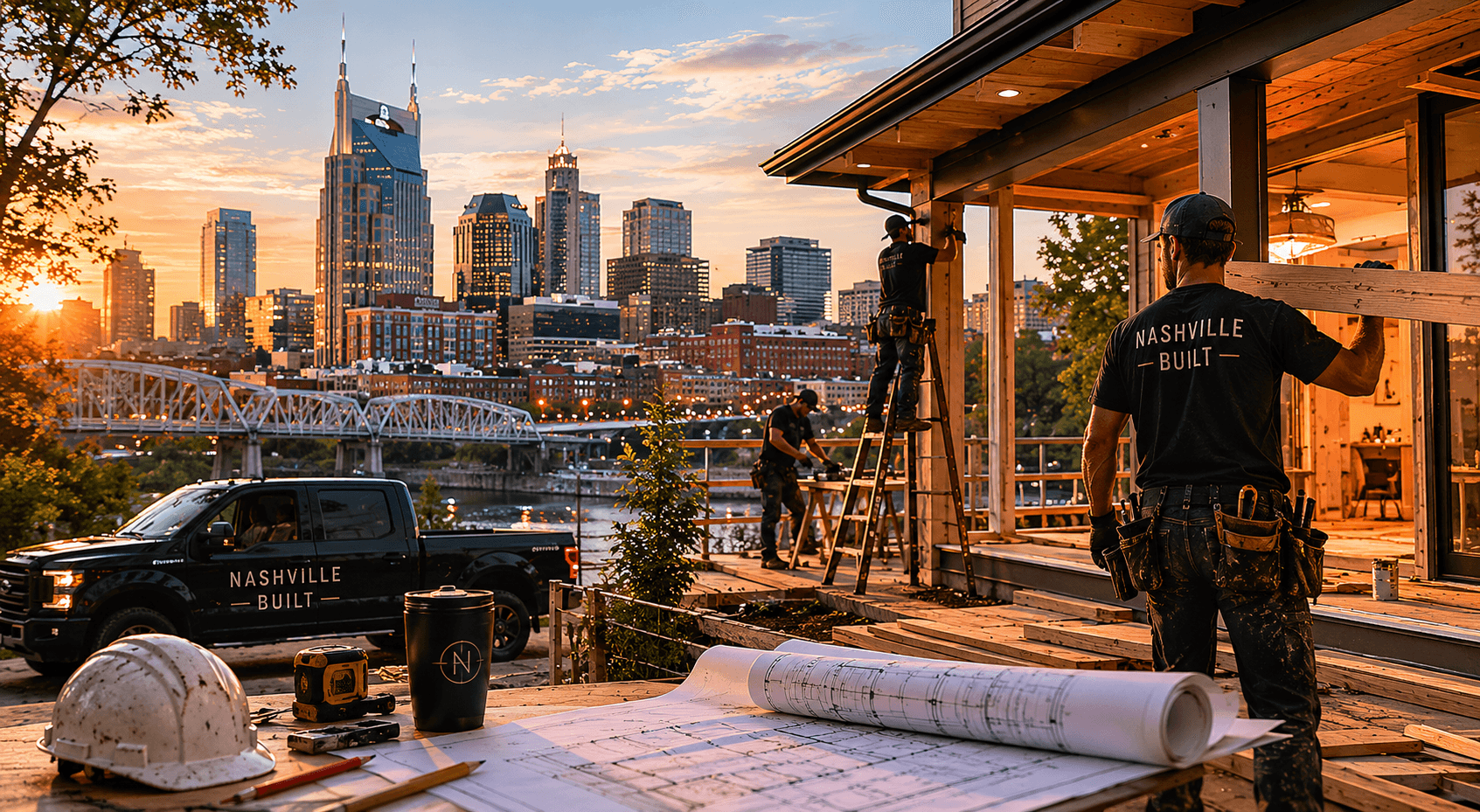
There is a reason most contractors do not publish their process: it would reveal how little of one they actually have. A clear, documented process is not just a sales tool — it is the operational foundation that determines whether a project finishes on time, on budget, and at the quality level the owner expected.
This is how we build. Every project, every time.
Pre-Construction Is Where the Project Is Won or Lost
By the time we break ground, the project is already half-decided. The decisions made in pre-construction — design coordination, permit sequencing, subcontractor selection, material lead times — determine whether the field phase runs smoothly or lurches from one problem to the next.
We do not start construction until we have a complete permit set, a confirmed subcontractor schedule, and long-lead materials on order. This is not caution for its own sake. It is how you avoid the phone call in week eight telling you the windows are backordered and the framing inspection has to wait.
[PLACEHOLDER: Describe your pre-construction checklist or the specific deliverables you produce before breaking ground.]
The Field Execution Standard
On a Trinity job site, there is one person responsible for everything that happens: the project lead. Not a rotating cast of supers, not a coordinator who visits twice a week. One person who knows the plans, knows the subcontractors, and is accountable for quality at every phase.
Our sixteen-phase framework is not a marketing document — it is the actual sequence we use to manage work, track inspections, and communicate progress to owners. Each phase has a defined scope, a completion standard, and a milestone payment tied to it. You will never be asked to fund work that has not been done.
[PLACEHOLDER: Add detail about your daily/weekly site management practices — site logs, photo documentation, safety standards, etc.]
Owner Communication During the Build
Construction is inherently unpredictable. Weather, inspections, material substitutions, design changes — these things happen on every project. The question is whether you find out about them from your contractor or from your own site visits.
We send a weekly written update every Friday: what was completed, what is scheduled for next week, and any open items that require the owner's input. The client portal gives you real-time access to photos, financials, and documents. You do not have to chase us for information.
[PLACEHOLDER: Add detail about how you handle surprises or problems mid-project — your escalation process, how change orders are handled, etc.]
Handover Is Not a Formality
The last two weeks of a project are where a lot of contractors lose focus. The big, visible work is done, the owner is excited, and there is pressure to declare victory and move on. We do not.
Our handover process includes a full punch list walkthrough with the owner, a systems orientation so you understand every mechanical, electrical, and plumbing component in your home, and a documented warranty package covering all subcontractor work. The day we hand you the keys, you should feel like you know your building.
[PLACEHOLDER: Describe your warranty and post-handover support process — how long you stay responsive, how warranty claims are handled.]
Written by
Mena Nady
Founder, Trinity Investee LLC